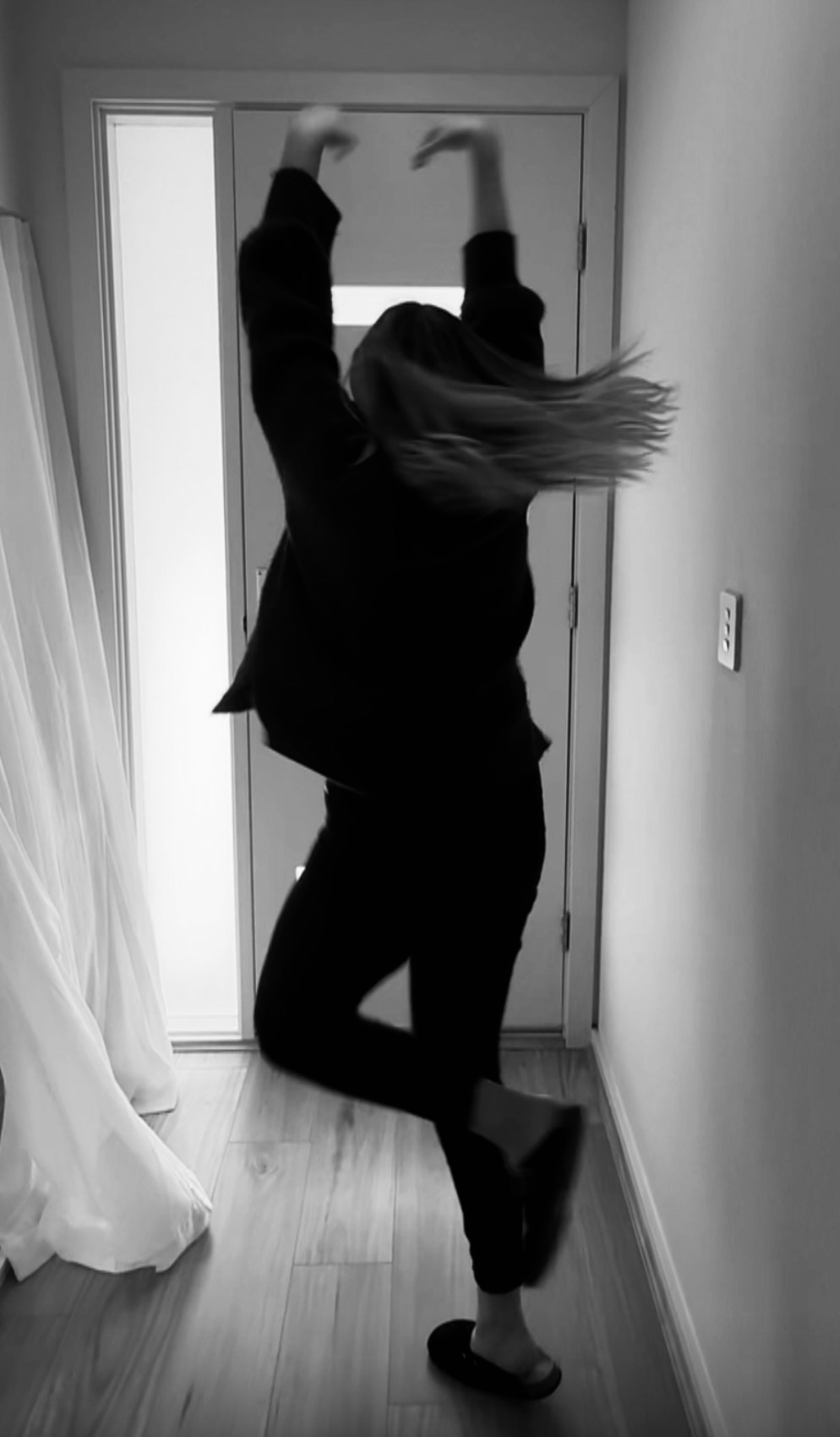
Offer stage is like a dance
So many businesses and managers present offers to candidates and then are surprised when a candidate withdraws their interest or rejects the offer.
There are a few factors from my experience that could impact a candidate’s change of mind in proceeding or accepting the offer presented.
1. Most likely this is not the only offer they are considering. A lot of candidates are actively applying to roles and may have other opportunities to compare against.
2. The offer presented was not what was advertised or previously discussed through the recruitment process.
3. There was no give or take, no dance – the offer presented was hard and fast, no room to move, no opportunity to discuss.
I had this play out recently. A client and candidate had really hit it off through the process, the candidate was engaged, excited, waiting on the offer. The client then went directly to the candidate with a number below what had been discussed, and different terms attached to the role than what had been initially advertised: a lower base salary, offset by an uncapped, achievable commission structure. When the candidate came back and asked for something mid-range (still a reduced salary from what they were currently on, so not an unreasonable ask), it wasn’t an outright no, it was a no unless: unless the commission structure went, or other conditions were attached. The candidate rejected the offer without further conversation, perhaps they weren’t comfortable with a commission and base salary structure, or there were other factors I wasn’t aware of. Best intentions all round, the client genuinely believed they were offering something great, and it still didn’t land the way anyone hoped, a good learning for myself and the client in this case.
Why is the dance at offer stage important, as well as the other factors?
Candidates need to feel that the process has been transparent and there is a clear understanding of the scope of the role. Without trust and clarity through the recruitment process, this can cause issues if and when onboarded/commencing in the role – most likely leading to performance/happiness/retention issues.
The whole recruitment process could have been incredibly positive and then the offer is mishandled, which leads to a candidate rejecting the offer and withdrawing. Not only has the business lost a potentially great candidate and recruitment efforts need to recommence, but the candidate has also had a poor experience. The candidate might feel blindsided, lost respect for the business, and this could impact the reputation of the business negatively.
I’ve seen this same pattern more times than I can count, across previous roles, and now running my own business. A business starts off with an idea of salary, hours/structure, benefits etc. at the time of advertising, and this changes at some stage in the process. Sometimes I’m not told, sometimes the candidate isn’t told. This leads to an offer that is not what the candidate had in mind, they feel undervalued, possibly that they’ve wasted their time and efforts, and they reject it.
An initial offer should not always be the final offer. Business owners and managers, please take that in. There should always be a dance, or movement, even if it’s small, a slight pivot or reconsideration. Be quick to offer though if you’re confident in your decision, don’t delay for the sake of not seeming too keen – this is not dating! I’m not suggesting the first offer needs to be low so a second offer can look more generous. The first offer should be reasonable, in line with the advertised range, but with flexibility for the candidate to counter or ask a question. If there’s genuinely no room to move, or the offer might not match what’s been discussed, that needs to be made very clear and probably best as a conversation over the phone, not an email.
Recruitment is a process that requires tact, respect, and understanding. It makes me so sad to know a candidate has had what I hope was a great experience with me, only to be presented an offer directly from a client or manager in a way that isn’t in line with how I would, or have, recommended. No one has to do everything the way I do, I’m not perfect, but I’ve learnt what candidates prefer, because I’ve had the actual conversations with them: about their preferences, their motivations, why they’re considering the role in the first place. That context is what lets me present an offer with room for back and forth, or at least further discussion, rather than dropping all the information at once and leaving no room for questions.
That’s exactly why I’d always recommend using a recruiter to manage the offer process, even if it seems unnecessary to a business owner or manager at the time. A recruiter walks in with that relationship and those conversations already done, happy to sit in the middle and mediate an offer both sides are comfortable with. It saves the business the back and forth, gives the candidate someone to talk it through with who isn’t the employer directly, and means the decision gets properly considered, not rushed and not delayed either.
I do have to add that I have since received feedback from both the client and the candidate involved in this offer. There were a lot of points I was unaware of that led to the offer and the lack of movement on the candidate’s salary expectations. As this was the client’s first direct employee hire, we’ve spoken at length about the process, best practice, and other considerations, and we’re working through it together to find the right person for the role. Upcoming offers should be far clearer from the start, with the role details laid out plainly before the process even begins. Without understanding all the factors before the offer and the rejection that followed, I was lacking context too.
The dance is important, the role of the recruiter is important, and most of all, the candidate experience is so important.
Leave a Reply